
The renewable energy transition is no longer just about panels and power – it’s about intelligence. Artificial Intelligence (AI) is quietly reshaping how solar and battery storage systems are designed, managed and optimized. Across India, this convergence of clean energy and smart technology is driving a new era of reliability, efficiency and sustainability.
As India races toward its 2030 goal of achieving 500 GW of renewable capacity, AI is emerging as the silent catalyst behind the scenes – making renewable systems smarter, grids more stable and investments more rewarding.
At the forefront of this shift are solar engineering and EPC companies that have spent over a decade perfecting how large-scale clean energy systems work. Among them, KSL Cleantech Limited, with 15+ years of experience in industrial EPC, open access, rooftop solar and energy storage, has been actively integrating AI and analytics into its solar operations – helping industries transition to intelligent, self-learning power systems.
Why AI Matters in Solar Today
For years, solar energy systems relied on static models and manual supervision. Panels generated power, operators monitored performance and inefficiencies were spotted only after they happened. That model worked but not at the scale India needs today.
Now, AI-driven platforms are changing that equation. Using real-time data from sensors and weather models, AI algorithms forecast energy production, detect faults instantly and fine tune output based on changing environmental conditions.
In a country like India — where solar irradiance, dust and temperature vary dramatically – these smart systems are proving indispensable. They help solar developers predict generation patterns, reduce downtime and make better financial and operational decisions.
Industry insiders say this shift from “reactive” to “predictive” energy management could add as much as 10-15% more efficiency to existing solar infrastructure.
When AI Meets Battery Storage
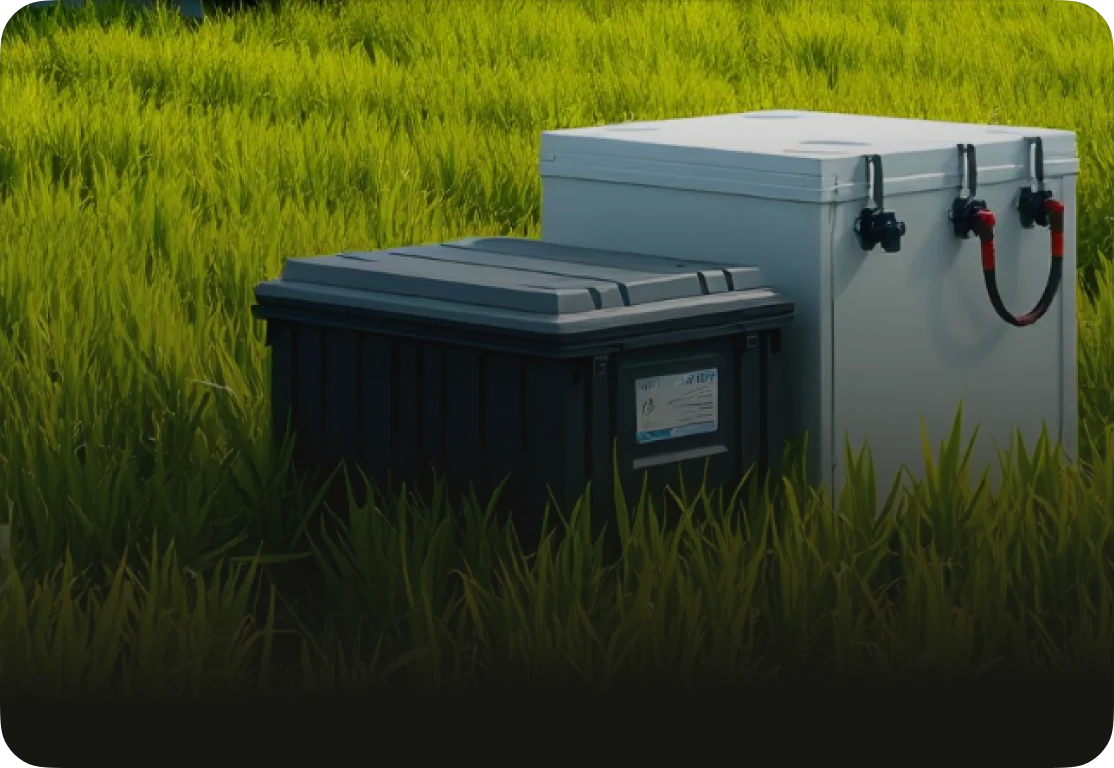
If solar panels are the heart of renewable power, batteries are the backbone. Battery Energy Storage Systems (BESS) are redefining how industries use electricity, converting sunlight into a dependable, around-the-clock energy supply.
But here’s where AI makes all the difference. AI can forecast solar production hours in advance, anticipate demand surges and autonomously decide when to charge or discharge batteries. The result? Reduced griddependency, lower electricity costs and smoother power supply – especially for industries that run 24/7 operations. Several leading EPC players, including KSL Cleantech Limited, are already deploying AI-optimized battery systems for industrial clients. These intelligent setups balance production and consumption in real time – ensuring reliable, clean energy without operational interruptions.
The Power of Prediction: Maintenance Before Failure
Traditionally, solar plants worked on a “fix-it-when-it-breaks” approach. But with AI, downtime is no longer inevitable. Modern solar systems use predictive analytics to continuously analyze data from panels, inverters, and sensors. If the AI detects an unusual voltage drop or thermal fluctuation, it can flag a potential fault – often days before it becomes critical.
This kind of predictive maintenance can prevent costly breakdowns, extend asset life and improve ROI. Companies like KSL Cleantech Limited have been embedding such analytics into their solar
EPC frameworks. The goal is simple: ensure maximum uptime, safer operations and a faster return on every solar rupee invested.
Industrial Energy 2.0: Intelligent Power for Intelligent Businesses
For industries, energy reliability isn’t just a convenience, it’s a competitive advantage. Whether it’s a manufacturing plant or a data centre, every minute of downtime translates into lost productivity.
AI is turning that challenge into an opportunity. By analysing real-time consumption data, AI can help businesses automatically decide when to switch between solar, storage, or grid power – depending on availability and tariff structures. This ensures cost optimization and maximum energy efficiency with minimum manual intervention. Industrial players partnering with experienced EPC providers like KSL Cleantech Limited are seeing tangible results: stable operations, predictable costs, and measurable sustainability gains.
Beyond Technology: The Bigger ImpactAI in solar isn’t just about smarter systems – it’s about broader change.
Economically, it drives down operational costs, improves output and accelerates payback
periods for investors.
Environmentally, it helps minimize carbon footprints smartly, reduce energy wastage and ensure every watt of solar power is utilized efficiently. It’s a technology that makes both financial and environmental sense – aligning perfectly with India’s larger clean energy goals.
Why Businesses Are Adopting AI-Driven Solar
Five major forces are behind this growing adoption:
- Real-Time Insights: AI and IoT sensors provide unmatched visibility into system
performance.
- Affordable Tech: Falling sensor and cloud computing costs make AI integration
easier.
- Policy Push: Government initiatives promoting digital and renewable innovation.
- Industrial Demand: Businesses need consistent, cost-efficient energy sources.
- Proven EPC Expertise: Companies like KSL Cleantech Limited are demonstrating
how AI can be embedded into large-scale solar frameworks with measurable results. Together, these trends are building an ecosystem where intelligent energy management becomes the norm, not the exception.
A New Dawn for Intelligent Energy
Artificial Intelligence is no longer a futuristic buzzword in renewable energy – it’s the quiet force driving solar’s next evolution. By making systems more predictive, efficient and resilient, AI is turning renewable energy into a dependable powerhouse for India’s growth. As pioneers like KSL Cleantech Limited continue integrating AI into solar and battery projects, the line between energy and intelligence will only blur further. The future of clean energy is not just bright – it’s smart.